

Staying ahead in today’s competitive gaming landscape takes more than raw skill—it demands strategy, precision, and a deep understanding of evolving metas. If you’re searching for actionable gameplay guides, smarter optimization tactics, and a clearer edge in esports competition, this article delivers exactly that. We break down frontline gaming trends, competitive mechanics, and daily performance hacks that serious players are using right now to climb rankings and sharpen execution.
Many players struggle to translate practice into measurable improvement. That’s why we focus on practical systems, data-backed analysis, and proven esports coaching methods that help refine decision-making, mechanics, and in-game awareness. Our insights are built on continuous match analysis, competitive breakdowns, and close monitoring of high-level play.
Whether you’re aiming to dominate ranked ladders or strengthen your tournament readiness, this guide will give you structured, reliable strategies to optimize performance and stay ahead of the competition.
Beyond Raw Talent: Architecting an Esports Dynasty
Mechanical skill wins highlights. Systems win championships. The difference is structure. Elite programs rely on esports coaching methods that integrate VOD review (systematic analysis of recorded matches), opponent scouting, and performance analytics into weekly cycles. Think of it like Moneyball for League or Valorant—data informs intuition, not replaces it.
Building the Framework
Start with strategic playbooks, then layer psychological conditioning—stress inoculation, communication drills, and defined in-game leadership. Some argue raw synergy is enough. But without process, success is streaky.
What’s next? Audit scrim data, define KPIs, and implement review cadences. Dynasties are engineered, not discovered.
The Digital Film Room: Mastering VOD Review
Great players don’t just grind—they rewind. The digital film room is where wins are dissected and losses get a polite autopsy (no dramatic music required).
Individual Player Analysis
Focus on micro-decisions—small, moment-to-moment choices that shape outcomes. Review:
- Positioning: Were you in cover, on high ground, or starring in your own elimination montage?
- Mechanical execution: Crosshair placement, ability timing, movement efficiency.
- Decision timing: Did you engage with intent—or vibes?
Pro tip: Watch once at full speed, then again at 0.5x. Slow motion reveals panic jumps and “why did I do that?” flashes.
Team-Based Macro Review
Macro refers to big-picture strategy—rotations, objective setups, team fight sequencing, and communication flow. Pause before fights. Ask: Who had ult advantage? Was vision established? Did rotations sync or resemble a group project gone wrong?
Use esports coaching methods to keep discussions structured and time-boxed.
The Constructive Feedback Loop
Adopt the model:
Win
Learn
Adapt
Celebrate what worked. Identify one fixable mistake. Adjust next scrim. Improvement loves clarity, not blame.
Tools of the Trade
Replay systems, timeline scrubbing, drawing overlays, and note trackers help visualize patterns. (Yes, drawing a giant red circle around your misplay is humbling—but effective.)
Coaching by the Numbers: Leveraging Data Analytics
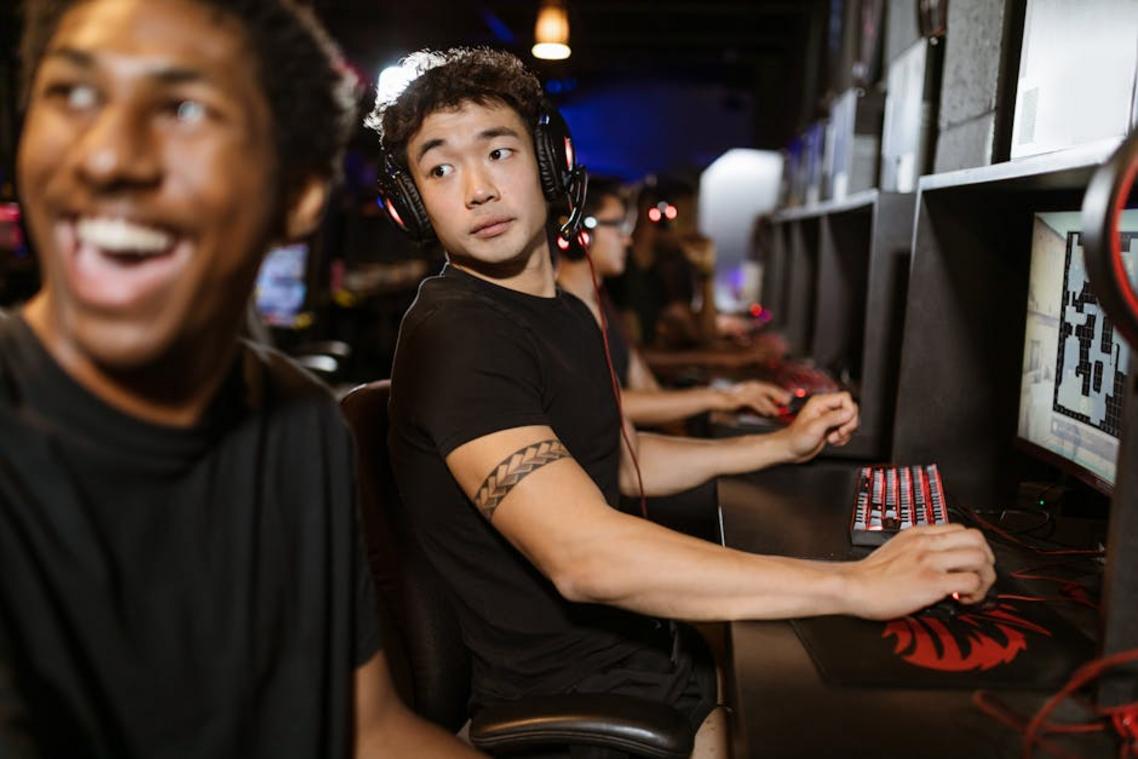
Great coaching isn’t magic—it’s math with better Wi-Fi. If you’re still judging performance by K/D/A alone, you’re basically scouting with a flip phone in a 5G world.
Identifying Key Performance Indicators (KPIs)
Key Performance Indicators (KPIs) are measurable stats that directly link to winning. In MOBAs, that means damage per gold (efficiency), vision score (map control impact), and objective participation rate (teamfight commitment). A flashy 12/2/3 looks cool, but if the player skipped every dragon fight… congratulations, you’ve got a stat-padding superstar (and a confused team).
Scrimmage Data Deep Dive
Log scrim data like it’s playoff week. Track draft outcomes, early gold differentials, ward timings, and win conditions executed. Over time, patterns emerge—like consistently losing after 20 minutes (hello, late-game macro). Using structured esports coaching methods ensures experiments—new comps, tempo shifts—are validated with evidence, not vibes.
Advanced Opponent Scouting
Public APIs reveal champion pools, side preferences, and first-objective bias. If a team drafts early-game junglers 70% of the time, expect aggression. Prepare counters. (It’s chess, but everyone’s shouting.)
Performance Benchmarking
Set baseline metrics per player and review monthly. Improvement becomes measurable, not emotional. For deeper insights, see expert analysis what separates casual players from pros. Data doesn’t replace instinct—it sharpens it.
Tilt-Proofing Your Team: Performance anxiety and in-game pressure can spike heart rates and narrow decision-making. Tilt—the emotional spiral after mistakes—can sabotage even elite rosters. Start with a simple reset: inhale for four, hold for four, exhale for six. Repeat twice before key rounds. Pair this with a cue word like “next” to interrupt rumination. Pro tip: practice breathing during scrims so it becomes automatic on stage.
Optimizing Team Communication: Clear callouts reduce cognitive load, meaning the mental effort required to process information. Establish a fixed structure:
- Location
- Enemy count
- Action taken.
For example, “Top mid, two, pushing.” Keep it under three seconds. Review VODs and tally unnecessary words to tighten phrasing. Use esports coaching methods in the section once exactly as it is given.
Conflict Resolution and Cohesion: Losses test trust. When disagreements flare, run a three-step huddle: 1) each player states facts, 2) shares impact, 3) proposes one fix. This keeps feedback specific rather than personal. Think of it like a timeout in the NBA—reset, refocus, re-enter.
Goal-Setting for Peak Performance: Apply the SMART framework—Specific, Measurable, Achievable, Relevant, Time-Bound—to both individuals and squads. Instead of “improve aim,” set “increase headshot rate by 5% in four weeks.” Track progress weekly and celebrate small wins. Consistency, not hype, builds resilient competitors.
Remember that resilience is trained, not gifted. Build routines before, during, and after matches so pressure feels familiar. When preparation meets adversity, confidence follows. That edge often decides championships. Calm minds make faster, smarter plays consistently under fire daily.
Designing Elite Practice: The Science of Scrims
Great teams don’t just grind—they design. The Purposeful Practice Model breaks a week into intentional blocks: individual mechanics (raw input speed, accuracy, and timing), theorycrafting (structured strategy design), team scrims, and mandatory VOD review (recorded match analysis). Many squads skip that last part. That’s a mistake. According to Ericsson’s research on deliberate practice, structured feedback loops accelerate skill acquisition (Ericsson, 1993). In other words, review is where progress compounds.
Next, High-Intensity Scrim Blocks simulate tournament stress. Set win conditions—close out in 20 minutes—or add handicaps like limited comms. It’s controlled adversity (think hyperbolic time chamber, minus the gravity spikes). Some argue “just play more” works. Yet volume without constraints rarely builds clutch consistency.
Meanwhile, Theorycrafting and Meta Analysis sessions dissect new patches collaboratively. Define the meta (most effective tactics available), then challenge it. Use esports coaching methods to assign roles and debate counters. Pro tip: document every hypothesis—innovation hides in footnotes.
Implementing a System for Consistent Victory
Elite coaching is a holistic system of strategic review, data analysis, and mental conditioning. I believe too many teams treat these as optional extras instead of foundations. Talent alone feels exciting, but in a ruthless ladder, it is the fastest path to stagnation.
- Structure creates freedom.
In my view, the real goal isn’t to win a single match, but to build a resilient, intelligent, adaptable system. Start small: implement a structured VOD review using proven esports coaching methods and watch communication sharpen immediately. Momentum compounds fast when reflection becomes routine. Trust the process.
Level Up Your Competitive Edge Today
You came here to sharpen your competitive edge, understand the latest frontline gaming buzz, and find strategies that actually translate into wins. Now you have the roadmap—clear gameplay adjustments, smarter daily optimization habits, and a stronger grasp of competitive mechanics that separate average players from top performers.
The truth is, staying stuck at the same rank is frustrating. Watching others climb while you plateau hurts. The gap isn’t talent—it’s structure, consistency, and the right esports coaching methods applied the right way.
Act on what you’ve learned. Start refining one mechanic at a time, track your performance daily, and apply these strategies in your next matches. If you’re serious about breaking through, dive deeper into advanced breakdowns and proven systems trusted by competitive players who refuse to settle.
Stop grinding without direction. Use these insights, commit to smarter practice, and take control of your climb today.
 Founder & Chief Visionary Officer
Drevara Dornhanna is the kind of writer who genuinely cannot publish something without checking it twice. Maybe three times. They came to expert breakdowns through years of hands-on work rather than theory, which means the things they writes about — Expert Breakdowns, Honzava Competitive Mechanics, Frontline Gaming Buzz, among other areas — are things they has actually tested, questioned, and revised opinions on more than once.
That shows in the work. Drevara's pieces tend to go a level deeper than most. Not in a way that becomes unreadable, but in a way that makes you realize you'd been missing something important. They has a habit of finding the detail that everybody else glosses over and making it the center of the story — which sounds simple, but takes a rare combination of curiosity and patience to pull off consistently. The writing never feels rushed. It feels like someone who sat with the subject long enough to actually understand it.
Outside of specific topics, what Drevara cares about most is whether the reader walks away with something useful. Not impressed. Not entertained. Useful. That's a harder bar to clear than it sounds, and they clears it more often than not — which is why readers tend to remember Drevara's articles long after they've forgotten the headline.
Founder & Chief Visionary Officer
Drevara Dornhanna is the kind of writer who genuinely cannot publish something without checking it twice. Maybe three times. They came to expert breakdowns through years of hands-on work rather than theory, which means the things they writes about — Expert Breakdowns, Honzava Competitive Mechanics, Frontline Gaming Buzz, among other areas — are things they has actually tested, questioned, and revised opinions on more than once.
That shows in the work. Drevara's pieces tend to go a level deeper than most. Not in a way that becomes unreadable, but in a way that makes you realize you'd been missing something important. They has a habit of finding the detail that everybody else glosses over and making it the center of the story — which sounds simple, but takes a rare combination of curiosity and patience to pull off consistently. The writing never feels rushed. It feels like someone who sat with the subject long enough to actually understand it.
Outside of specific topics, what Drevara cares about most is whether the reader walks away with something useful. Not impressed. Not entertained. Useful. That's a harder bar to clear than it sounds, and they clears it more often than not — which is why readers tend to remember Drevara's articles long after they've forgotten the headline.