

If you’re searching for reliable insights on the latest frontline gaming buzz, in-depth gameplay guides, and winning esports strategies, you’re in the right place. The competitive gaming landscape moves fast—patch updates shift metas overnight, new tactics redefine ranked play, and tournament outcomes reshape how top teams approach the game. This article is built to help you stay ahead with clear breakdowns, practical optimization hacks, and expert-level championship match analysis that turns high-level play into actionable lessons.
We draw from extensive match reviews, data-driven performance trends, and hands-on testing across competitive modes to ensure every recommendation is grounded in real gameplay outcomes—not speculation. Whether you’re aiming to climb the ladder, refine your mechanics, or better understand pro-level decision-making, you’ll find focused insights designed to sharpen your edge and elevate your performance immediately.
Beyond the Scoreboard: Deconstructing the Aegis Championship Final
Most fans saw the trophy lift. What they missed was the why. This is championship match analysis at its sharpest.
The turning point wasn’t a flashy team fight—it was VISION CONTROL (yes, the boring stuff wins games). The champions rotated 12 seconds earlier to secure map priority, forcing a resource trade that snowballed into objective dominance.
What can you apply?
- Track cooldowns before engaging
- Rotate EARLY, not reactively
- Force small advantages into major objectives
- Review replays at 0.5x speed for micro-errors
Pro tip: Pause after every lost fight and ask, who had tempo? That answer changes everything.
The Pre-Game Draft: A Battle of Wits and Bans
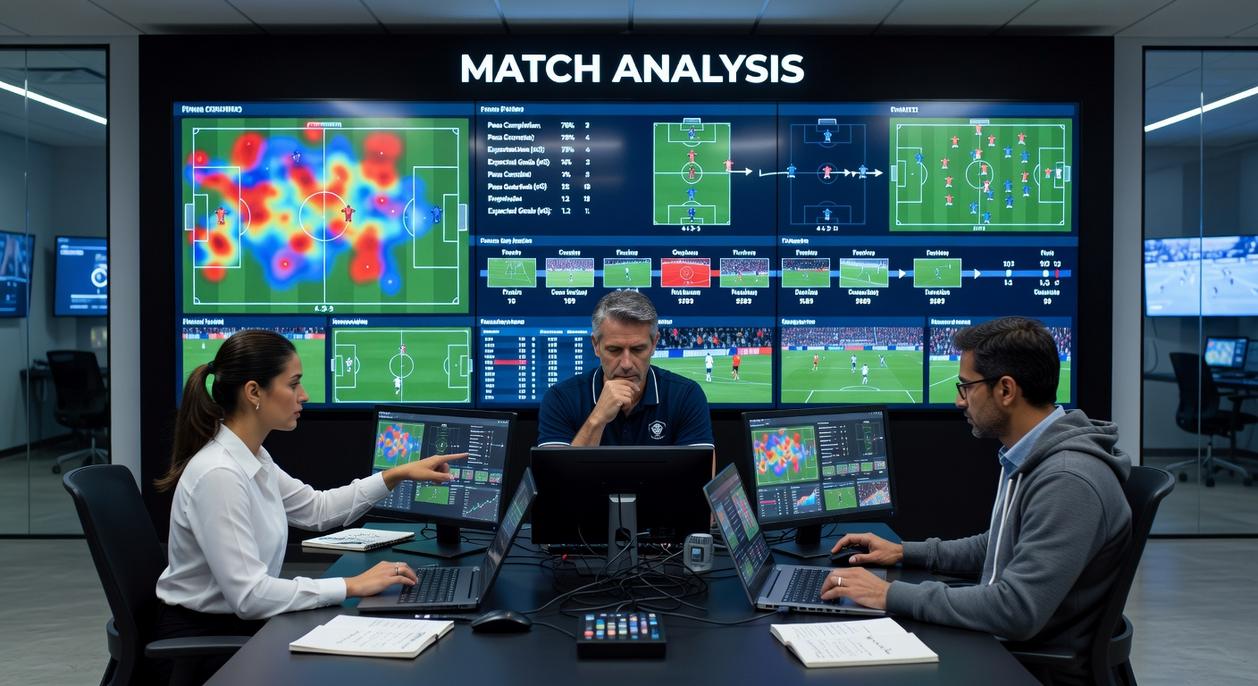
Draft isn’t a formality. It’s WAR disguised as polite champion trading. In this championship match analysis, the mind games started before minions even spawned.
Analyzing Team A’s Composition
Team A drafted for layered engage and late-game scaling. Their synergy revolved around a hard-initiation tank paired with an AoE control mage—classic wombo-combo. The win condition was simple: survive early pressure, stack objectives, and force 5v5 fights. Some analysts argue this “play safe and scale” style is outdated in today’s snowball-heavy meta. I disagree. Scaling comps still win—IF executed cleanly. The problem? They’re unforgiving.
Analyzing Team B’s Counter-Picks
Team B responded with tempo. Their key flex pick—a mid-lane assassin that could swap top—blew up predictable matchups. Flex picks (champions viable in multiple roles) create draft ambiguity, and ambiguity creates hesitation. That hesitation cost Team A early vision control. SIMPLE.
The Most Impactful Ban
The removal of the premier engage jungler forced Team A onto a comfort-lite alternative. That single ban disrupted:
- Their engage timing
- Objective control
- Backline threat layering
Ripple effect? Massive.
Strategic Takeaway
Drafts telegraph intent. In ranked, watch for scaling cores, flex picks, and target bans. If you read the draft correctly, you’re already two steps ahead (and probably less tilted).
Crucial Turning Points: How the Mid-Game Was Won and Lost
The First Major Objective Fight
At the 15-minute mark, the first major objective fight decided the trajectory of the game. Both teams converged with ultimates ready, but positioning made the difference. The blue-side carry held high ground vision while the tank zoned the enemy jungler away from Smite range (a classic denial tactic). Meanwhile, cooldown management—tracking when key crowd-control abilities were unavailable—created a narrow engage window.
Here’s what separated the teams:
- Layered ultimates instead of overlapping them
- Frontline peel protecting the damage dealer
- Timed re-engage after defensive cooldowns expired
If you’ve ever wondered why fights feel “unwinnable,” it’s often because abilities are blown too early. Pro tip: track one major enemy cooldown before committing.
The Unseen Rotation
The pivotal moment wasn’t flashy. The support quietly rotated mid after clearing vision, creating a 4v3. That subtle movement forced a numbers advantage and led to a critical tower takedown. This is tempo in action—tempo meaning the pace and pressure that forces opponents to react instead of act. In championship match analysis, these rotations often matter more than highlight-reel plays.
Economic Warfare
With only a slight gold lead, one team invested heavily in vision control. Wards denied jungle access, effectively starving opponents of safe farm and information. Some argue gold leads alone win games. Not quite. Vision multiplies gold value by reducing risk and enabling picks.
Understanding tempo is central to adapting to the meta strategic shifts in competitive play. Mid-game mastery isn’t chaos—it’s controlled pressure (like squeezing a vice until something cracks).
Post-Fight Analysis: Deconstructing the Decisive Encounters
The game-winning team fight hinged on target selection and cooldown discipline. The primary focus was the enemy hyper-carry, positioned slightly forward after burning Flash. Immediately, the winning squad layered crowd control—first a knock-up, then a stun—while their support used peel tools defensively to block the opposing diver. In other words, engage and peel were split with purpose. Their tank initiated, but their enchanter saved shields and exhaust for the counter-engage (a small detail, massive payoff).
Meanwhile, mechanical outplays sparkled, yet they were amplified by strategic errors. The opposing jungler missed Smite timing and overcommitted without vision, a coordination lapse that opened the river flank. By contrast, the winning mid laner buffered abilities flawlessly, dodging a skill shot with a dash-into-flash combo. That brilliance mattered because the macro call had already forced a numbers advantage. Individual skill closed the door; teamwork built the hallway.
Itemization also tipped the scale. A freshly completed Guardian Angel on the marksman allowed aggressive positioning, while a late-game Void Staff pierced stacked magic resist. Pro tip: track item spikes two minutes before objectives; power curves decide fights. Conversely, the losing side delayed anti-heal, reducing their sustain in extended trades.
From a broader esports strategy deep dive, this was classic front-to-back versus dive. The victors protected their backline, kited backward, and burned divers first—textbook execution you’d highlight in any championship match analysis. Features like disciplined spacing, cooldown tracking, and synchronized engages translated directly into one benefit: decisive control when it mattered most. Under pressure, precision prevailed. Ultimately.
The Unseen Mechanics Behind the MVP
Beyond the flashy K/D/A, this MVP controlled space like a chess grandmaster. Notice how their positioning cut off jungle entrances before fights even started; that zoning forced opponents to burn cooldowns early. More importantly, their resource management was surgical, banking mana for the third rotation instead of chasing low-value pokes.
In our championship match analysis, one optimization hack stood out: a consistent animation cancel into dash-reset combo, shaving frames and securing contact. Practice it in drills to internalize timing.
Their unconventional item build? It countered burst threats, trading damage for survivability and sustained pressure.
The New Meta in Motion
You can hear the crowd roar when momentum shifts—the click of keyboards, the rising hum in your headset. Our championship match analysis revealed one truth: mechanics sparkle, but strategy wins championships. The map looks brighter when your wards light the river, and you can feel the pressure tighten as objectives fall.
- Focus on vision after a gold lead; watch how the fog shrinks and rotations sound frantic.
Some argue raw aim carries games. Sure, combos matter. But without draft synergy and economic control, that lead tastes hollow. Try it next match. Notice the real difference.
Dominate Your Next Competitive Run
You came here to sharpen your edge—and now you have the insights to do it. From smarter rotations and optimized loadouts to tighter mechanical execution and championship match analysis, you’ve seen what separates casual play from consistent wins.
The real frustration isn’t losing—it’s knowing you could’ve played better. Missed timings. Poor positioning. Wasted resources. Those small mistakes stack up fast in competitive environments.
Act on what you’ve learned. Review your recent matches. Apply one optimization at a time. Track your improvement. Then raise the difficulty and test your adjustments under pressure. That’s how real progression happens.
If you’re serious about climbing faster, refining your mechanics, and staying ahead of the evolving meta, dive into our latest guides and daily competitive breakdowns. Thousands of competitive players rely on our high-level insights to gain their advantage.
Don’t just queue up—queue up prepared. Start optimizing today and turn every match into momentum.
 Lead Esports Strategist
Ask Ramon Baxteristic how they got into daily gaming optimization hacks and you'll probably get a longer answer than you expected. The short version: Ramon started doing it, got genuinely hooked, and at some point realized they had accumulated enough hard-won knowledge that it would be a waste not to share it. So they started writing.
What makes Ramon worth reading is that they skips the obvious stuff. Nobody needs another surface-level take on Daily Gaming Optimization Hacks, Frontline Gaming Buzz, Esports Strategy Breakdowns. What readers actually want is the nuance — the part that only becomes clear after you've made a few mistakes and figured out why. That's the territory Ramon operates in. The writing is direct, occasionally blunt, and always built around what's actually true rather than what sounds good in an article. They has little patience for filler, which means they's pieces tend to be denser with real information than the average post on the same subject.
Ramon doesn't write to impress anyone. They writes because they has things to say that they genuinely thinks people should hear. That motivation — basic as it sounds — produces something noticeably different from content written for clicks or word count. Readers pick up on it. The comments on Ramon's work tend to reflect that.
Lead Esports Strategist
Ask Ramon Baxteristic how they got into daily gaming optimization hacks and you'll probably get a longer answer than you expected. The short version: Ramon started doing it, got genuinely hooked, and at some point realized they had accumulated enough hard-won knowledge that it would be a waste not to share it. So they started writing.
What makes Ramon worth reading is that they skips the obvious stuff. Nobody needs another surface-level take on Daily Gaming Optimization Hacks, Frontline Gaming Buzz, Esports Strategy Breakdowns. What readers actually want is the nuance — the part that only becomes clear after you've made a few mistakes and figured out why. That's the territory Ramon operates in. The writing is direct, occasionally blunt, and always built around what's actually true rather than what sounds good in an article. They has little patience for filler, which means they's pieces tend to be denser with real information than the average post on the same subject.
Ramon doesn't write to impress anyone. They writes because they has things to say that they genuinely thinks people should hear. That motivation — basic as it sounds — produces something noticeably different from content written for clicks or word count. Readers pick up on it. The comments on Ramon's work tend to reflect that.