You know the feeling—you see the enemy first, you click first, and somehow you still lose the duel by a split second. It’s not your game sense. It’s not your aim. It’s that tiny, brutal delay where your hands just can’t keep up with your brain. In competitive play, raw talent isn’t enough. Matches are decided in milliseconds. This pro-level guide breaks down how to systematically improve reaction time gaming performance through physical optimization, mental conditioning, and precision drills. Reflexes aren’t just a gift—they’re trainable. Master this system, and you’ll gain a measurable edge where it matters most.
Understanding the Input Lag Inside Your Head
Reaction time in gaming measures how fast you detect a stimulus and execute an action. Simple Reaction Time is responding to one clear cue—like clicking when a target appears. Choice Reaction Time is selecting the correct response from multiple options, like deciding whether to reload, strafe, or fire. (That’s the difference between a reflex and a decision.)
Neurologically, every move follows three steps: Perception (your eyes register the threat), Processing (your brain interprets it), and Response (your hand clicks). Elite players trim milliseconds by lowering visual clutter, pre-aiming common angles, and drilling scenarios until choices become automatic. Pro tip: practice with consistent sensitivity settings to reduce processing delays.
Why it matters? In an FPS, 200ms versus 150ms can decide a duel. That 50ms gap often means your opponent sees the kill cam. To improve reaction time gaming, train with aim drills daily.
The Ultimate Buff: Optimizing Your Physical Hardware
You can tweak settings and grind mechanics all day, but your real performance engine is biological. In other words, your brain and body are the hardware. Let’s clarify how to upgrade it.
Sleep as a Performance Enhancer
Sleep isn’t “downtime.” It’s when your brain consolidates memory (locks in what you practiced) and clears metabolic waste, according to the National Institutes of Health. Consistently getting 7–9 hours improves cognitive processing speed and reduces mental fatigue (CDC). In plain terms: you think faster and tilt less.
A simple gamer’s sleep protocol:
- Use blue light filters 60–90 minutes before bed (blue light suppresses melatonin, your sleep hormone).
- Keep a consistent sleep/wake schedule—even on weekends.
- Cool, dark room. No scrolling in bed (yes, really).
Some argue elite players can “power through” on five hours. Short term, maybe. Long term, reaction time and decision accuracy decline (Sleep Foundation). Pro tip: track sleep for two weeks and compare ranked performance.
Nutrition for Peak Focus
Next, hydration. Even mild dehydration impairs attention and working memory (Journal of Nutrition). Aim for steady water intake, not chugging mid-match.
Before long sessions, choose complex carbs plus protein—oats with yogurt, whole-grain toast with eggs. They provide sustained glucose release. Sugary drinks spike blood sugar, then crash it (hello, brain fog). As for caffeine, take it 30–60 minutes before play; avoid it within eight hours of bedtime.
Targeted Physical Exercise
Finally, cardio increases blood flow and oxygen delivery to the brain, enhancing alertness. A brisk 20-minute walk can sharpen focus immediately. Add hand-eye drills (reaction ball tosses) and wrist stretches to reduce strain. If you want to improve reaction time gaming, start here—then refine skills with this beginners guide to mastering core gameplay mechanics.
Target Practice: Drills and Tools for Millisecond Gains
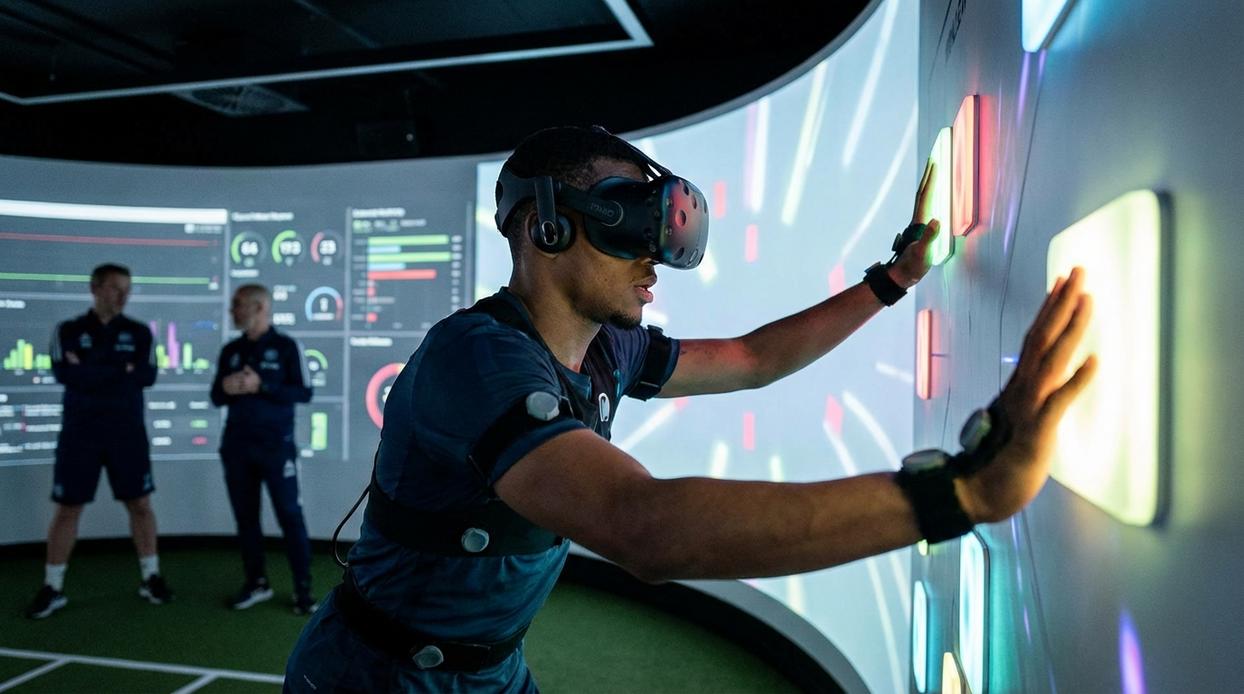
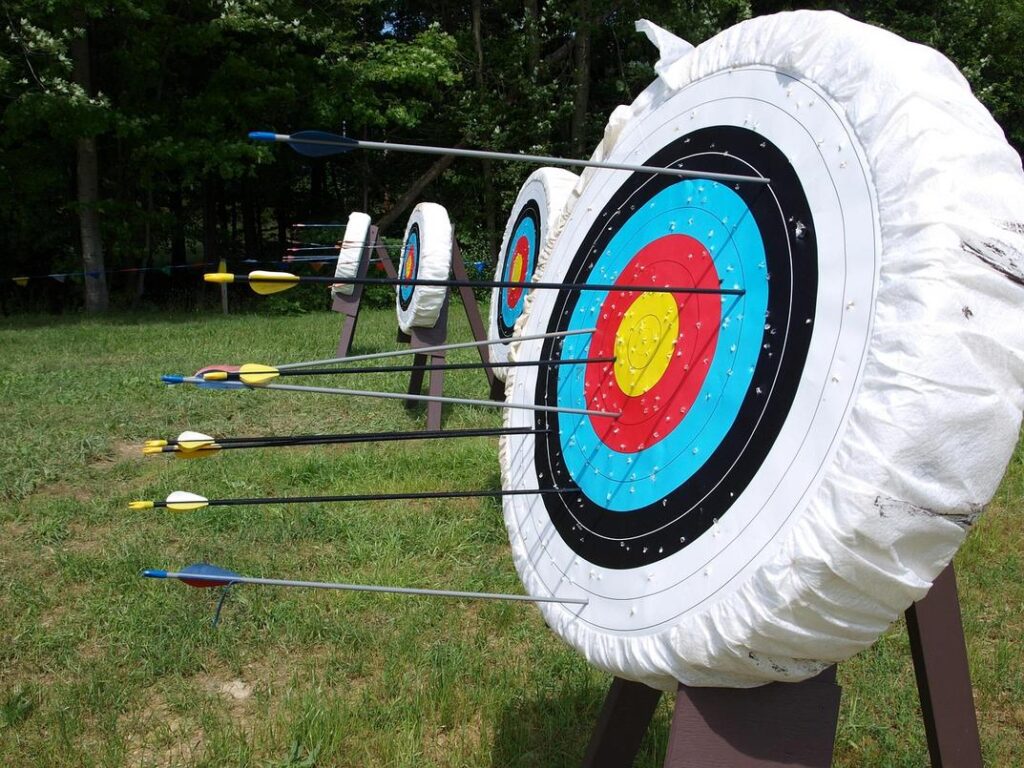
If you want to improve reaction time gaming performance, you need more than “just playing a lot.” You need structured drills that isolate reflexes the same way athletes isolate muscle groups.
Leveraging Aim Trainers
Tools like Aim Lab and KovaaK’s aren’t just about accuracy—they’re reflex laboratories. In Aim Lab, try Gridshot to sharpen flick reactions (quick, snap movements to a target). In KovaaK’s, Spidershot improves target acquisition speed, meaning how fast your brain identifies and locks onto a threat.
These scenarios train stimulus-response time—the gap between seeing something and acting on it. According to research published in Frontiers in Human Neuroscience, repeated high-speed visual tasks can enhance neural processing speed over time. That’s exactly what these drills simulate.
Pro tip: Run aim trainers at the START of your session, not the end. Fatigue kills reaction gains.
In-Game Drills for Specific Scenarios
Different genres demand different reflex skills:
- FPS: Practice peeker’s advantage drills in custom matches. Swing corners repeatedly while a friend holds angles. Focus on pre-aim placement and first-shot timing.
- MOBAs: Load a custom game and practice dodging skillshots (projectile-based abilities requiring manual aim). Repeat against predictable bots before facing real players.
- Fighting Games: Use training mode to rehearse reaction-based block strings—pre-set attack patterns you must defend on reaction, not prediction.
The key word here is FOCUSED. Not grinding ranked. Not autopiloting deathmatches.
The Power of Consistent Practice
Fifteen to twenty minutes daily beats three distracted hours. Try this weekly structure:
- Monday–Friday: 15 min aim trainer + 10 min in-game drill
- Saturday: Scenario review + Human Benchmark reaction test
- Sunday: Rest or light warm-up only
Tracking Your Progress
Use Human Benchmark as both a warm-up and a progress log. Record your scores weekly. Small gains—5 to 10 milliseconds—compound over time (and yes, they win fights).
Beyond the Grind: Mental and Gear-Based Optimization
First, let’s talk about anticipation versus reaction. Anticipation is the ability to predict what an opponent will do before they do it. Instead of reacting to a peek, you expect it. Instead of scrambling during a flank, you’ve already repositioned. This shift reduces decision paralysis (that frozen “what do I do?” moment) because you’ve pre-decided based on patterns. For example, if a team consistently rotates after losing mid control, you can pre-aim the choke rather than chase footsteps.
At the same time, achieving a flow state makes everything feel smoother. Flow is a mental zone where actions feel automatic and distractions fade. To get there, minimize background noise, silence notifications, and use a short pre-game routine—five minutes of aim drills, deep breathing, and one clear focus goal. Think of it like flipping into “Ultra Instinct” mode, but built on preparation, not luck.
Finally, eliminate hardware bottlenecks. A 144Hz+ monitor shows more frames per second, reducing perceived delay (NVIDIA, 2023). Low-latency mice and keyboards cut input lag, while wired internet prevents packet loss spikes. If you want to improve reaction time gaming, make sure your gear isn’t the slowest player on your team.
Your New Competitive Edge
Faster reflexes aren’t a genetic gift — they’re a trained advantage. If you’ve been frustrated by losing split-second fights or reacting just a bit too late, you now know the truth: you can improve reaction time gaming performance through deliberate, structured practice. By optimizing your sleep, nutrition, and setup, drilling targeted reaction exercises, and sharpening your mental focus, you systematically cut down delay and gain control where it matters most.
Now take action. Choose one drill and one physical optimization strategy from this guide. Commit to them for two weeks and track your results daily. Thousands of competitive players trust these proven methods — start today and turn your reflexes into your edge.
 Gameplay Optimization Specialist
Dorisandiva Leen writes the kind of esports strategy breakdowns content that people actually send to each other. Not because it's flashy or controversial, but because it's the sort of thing where you read it and immediately think of three people who need to see it. Dorisandiva has a talent for identifying the questions that a lot of people have but haven't quite figured out how to articulate yet — and then answering them properly.
They covers a lot of ground: Esports Strategy Breakdowns, Honzava Competitive Mechanics, Frontline Gaming Buzz, and plenty of adjacent territory that doesn't always get treated with the same seriousness. The consistency across all of it is a certain kind of respect for the reader. Dorisandiva doesn't assume people are stupid, and they doesn't assume they know everything either. They writes for someone who is genuinely trying to figure something out — because that's usually who's actually reading. That assumption shapes everything from how they structures an explanation to how much background they includes before getting to the point.
Beyond the practical stuff, there's something in Dorisandiva's writing that reflects a real investment in the subject — not performed enthusiasm, but the kind of sustained interest that produces insight over time. They has been paying attention to esports strategy breakdowns long enough that they notices things a more casual observer would miss. That depth shows up in the work in ways that are hard to fake.
Gameplay Optimization Specialist
Dorisandiva Leen writes the kind of esports strategy breakdowns content that people actually send to each other. Not because it's flashy or controversial, but because it's the sort of thing where you read it and immediately think of three people who need to see it. Dorisandiva has a talent for identifying the questions that a lot of people have but haven't quite figured out how to articulate yet — and then answering them properly.
They covers a lot of ground: Esports Strategy Breakdowns, Honzava Competitive Mechanics, Frontline Gaming Buzz, and plenty of adjacent territory that doesn't always get treated with the same seriousness. The consistency across all of it is a certain kind of respect for the reader. Dorisandiva doesn't assume people are stupid, and they doesn't assume they know everything either. They writes for someone who is genuinely trying to figure something out — because that's usually who's actually reading. That assumption shapes everything from how they structures an explanation to how much background they includes before getting to the point.
Beyond the practical stuff, there's something in Dorisandiva's writing that reflects a real investment in the subject — not performed enthusiasm, but the kind of sustained interest that produces insight over time. They has been paying attention to esports strategy breakdowns long enough that they notices things a more casual observer would miss. That depth shows up in the work in ways that are hard to fake.